Tile contractors do not usually lose profit because they cannot install. They lose profit when estimating is too manual, tile and setting material are over-ordered, cuts create more waste than expected, change details get missed, and communication between the office, field, and client gets too fragmented. Sanctus AI helps tile contractors identify where repeated admin, weak material tracking, and disconnected job coordination are creating drag so better automation can support estimating, scheduling, supply planning, waste reduction, and cleaner field-to-office visibility in a practical way.
Most tile contractors do not need an oversized software stack. They need a cleaner operating layer behind estimating, ordering, scheduling, job updates, layout changes, client communication, and material usage tracking. That matters when waste percentages are creeping up, specialty orders are expensive, and project managers or owners are still piecing together updates from texts, notes, and memory. Good AI consulting for tile contractors starts by looking at where waste is being created, where estimating assumptions are too loose, and where manual coordination is slowing the company down.
Tile contractors can lose money through over-ordering, breakage, layout waste, untracked leftovers, missed changes, poor schedule visibility, and weak job-level reporting on what was actually used.
The goal is not to force a tile contractor into complexity. The goal is to tighten estimating, reduce avoidable waste, improve material planning, and make field-to-office communication easier to manage.
A lot of loss does not come from one dramatic mistake. It comes from repeated smaller misses. Waste factors are padded too high because no one trusts the data. Layout changes affect ordering late. Extra boxes get opened unnecessarily. Specialty tile is reordered because actual usage was not tracked well. Client decisions and field notes do not always move back to the office cleanly. That is why AI for tile contractors can help far beyond lead generation. It can support custom usage tracking systems, cleaner estimating review, stronger job visibility, and better material decisions before waste compounds.
Contractors need tighter inputs between measurements, layout assumptions, waste factors, and actual order quantities so bids are not quietly carrying preventable inefficiency.
Ordering too much, too little, or too late creates margin problems fast, especially when a project depends on special-order tile, trim, or matching dye lots.
If crews do not have a simple way to log usage, breakage, rework, or leftover stock, the office is left guessing what the job is really consuming.
Contractors often need a better system for knowing what was wasted, what can still be reused, and which job patterns keep producing avoidable loss.
This is one of the strongest practical use cases. A custom usage tracking system can help a tile contractor compare estimated material needs against actual job consumption by room type, layout type, crew, project stage, or installation style. Instead of relying on rough memory after the job is done, the business can start building better data on where waste is happening, what estimating assumptions are too loose, and where leftover inventory could be better reused.
AI-supported workflows can help compare estimated tile counts, trim needs, grout assumptions, and breakage factors against what each project actually consumed so repeated overages stand out faster.
If certain layouts, crews, room types, or job conditions consistently create more waste, better tracking makes that visible before the same margin loss keeps repeating.
A tighter record of leftovers, reusable stock, and recurring shortages can help contractors place better orders and reduce the habit of overbuying just to feel safe.
AI consulting for tile contractors is not just about a chatbot or a polished front-end feature. In practical terms, it often includes process review, estimate workflow analysis, job-level usage tracking design, waste reduction opportunities, scheduling visibility, and identifying where AI can reduce repetitive coordination without getting in the crew’s way.
Review where estimating slows down, where field information gets lost, where waste is hidden, and where office staff are manually stitching together updates they should already have.
Identify which workflows should be automated first, which reporting steps need cleanup, and where a custom usage tracking system would create the clearest operational win.
Improve estimating flow, material tracking, supply coordination, job updates, waste visibility, and internal handoffs so the tile operation feels more controlled instead of more reactive.
Tile contractor AI consulting is usually a strong fit for businesses that are managing enough estimating work, material movement, crew scheduling, and project volume to feel the pain of waste, missing data, or repeated manual coordination.
Owner-led tile businesses, growing subcontractors, finish contractors managing multiple jobs, and companies relying on spreadsheets, texts, handwritten notes, or disconnected tools to track material usage usually benefit the most.
Good AI consulting starts with real operational friction. The first review usually looks at where estimating assumptions are too loose, where material usage is not tracked well enough, where waste is only noticed after the job is done, where schedule changes are too manual, and where owners or project leads keep stepping in to patch missing information.
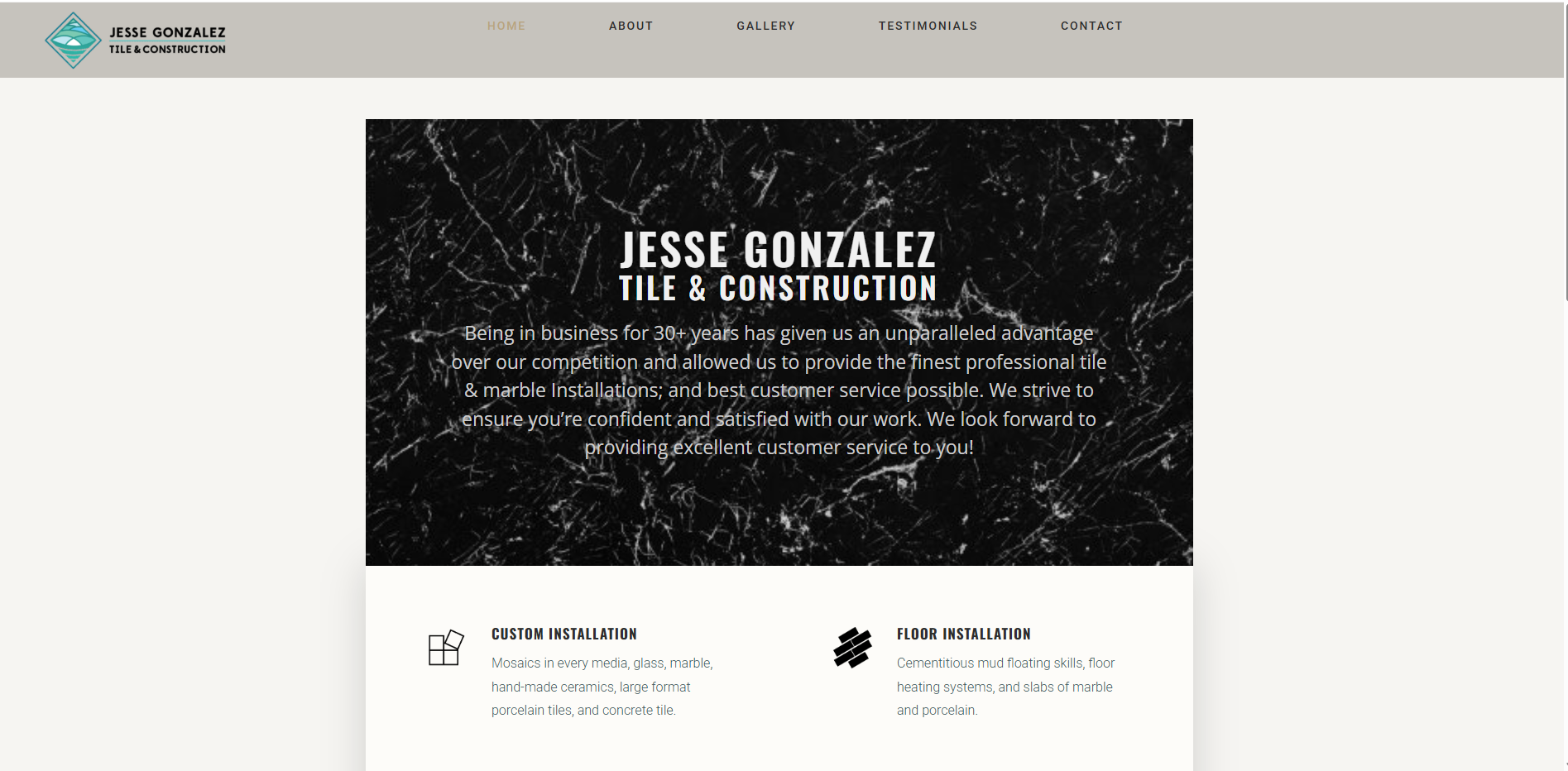
Jesse G Tile is one of the contractor websites tied into the broader Sanctus ecosystem. That kind of work matters because a trade contractor’s digital presence and internal workflow should support each other. A strong website helps present the company well and generate opportunities, while stronger AI consulting and workflow automation can help the business operate more efficiently behind the scenes.
The goal is not to make a tile contractor sound more advanced. The goal is to make the business easier to run. Good AI for tile contractors should reduce waste, improve estimating and ordering decisions, support cleaner job reporting, and help the company handle more work without losing control of margin in the process.
These are the questions tile contractors and project leads usually ask when deciding whether AI consulting, workflow automation, or a custom usage tracking system makes the most sense.
We will look at where material usage is not being tracked well enough, where waste keeps repeating, where field updates are too manual, where estimating and ordering decisions lack visibility, and where practical AI consulting or automation can create the biggest operational improvement without forcing a bloated setup.